Income from Nigeria or abroad: what UK residents must declare
Rent from Lagos, interest in a Nigerian bank or a business back home: how UK residents are taxed on foreign income since April 2025.
By Jara Finance. Published , figures checked . 6 min read
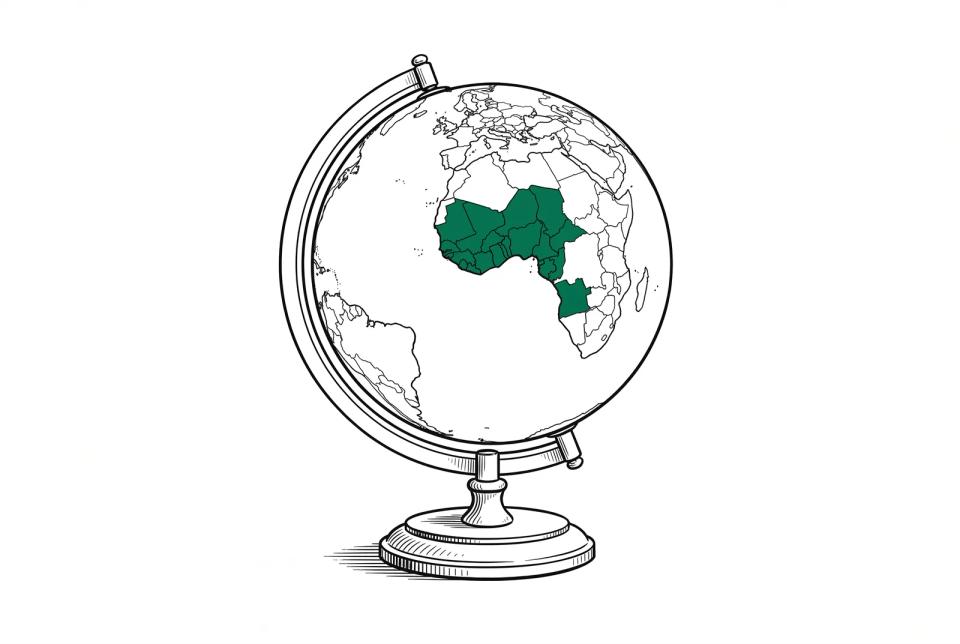
Many Nigerian business owners in the UK keep financial ties with home: a flat let out in Lagos or Abuja, savings in a Nigerian bank, a share in a family business, or a pension from earlier work. All of these can affect your UK tax, and the rules changed in April 2025. The same rules apply to anyone in the UK with income from abroad, so most of this guide holds whichever country your money comes from.
This guide explains the principles. The details of your own situation matter a lot here, so treat it as a starting point and get advice on your case.
Start with residence
Whether the UK taxes your foreign income depends on whether you are UK tax resident for the tax year. It is not about nationality, immigration status or where you feel at home.
Residence is decided by the statutory residence test. In short:
- you are automatically UK resident if you spend 183 days or more in the UK in the tax year
- you can also be UK resident with fewer days, depending on your ties to the UK, such as a home, work or family here
- you are automatically non-resident if you spend very few days in the UK, or work full-time abroad with limited UK days
In the year you arrive in or leave the UK, split-year treatment may divide the year into a non-resident part and a resident part. You then pay UK tax on foreign income only for the resident part, if you meet the conditions.
If you are not UK resident, you do not pay UK tax on your foreign income.
If you are UK resident
UK residents normally pay UK tax on their worldwide income. For someone with links to Nigeria, that can include:
- rent from property in Nigeria
- interest on Nigerian bank accounts
- dividends from Nigerian companies
- profits from a business you run in Nigeria
- a Nigerian pension
You usually report foreign income on your Self Assessment return. Amounts need converting into pounds, and you report the income in full before any Nigerian tax is taken off, then claim relief for that tax separately.
What moving money is, and is not
Transferring your own savings from Nigeria to the UK is not, in itself, new income. The question is whether the money was income or gains that the UK can tax, and in which year. Under the current rules it is the year the income arises that counts, not the year you bring it into the UK. Interest that builds up in a Nigerian account while you are UK resident is taxable in the year it is paid to you, whether or not you move it.
The end of the remittance basis
Before 6 April 2025, some UK residents whose permanent home (domicile) was abroad could choose the remittance basis. They paid UK tax on foreign income only when they brought it into the UK.
That option ended on 5 April 2025. From the 2025/26 tax year, the system is based on residence, not domicile. Your 2025/26 return, due by 31 January 2027, is the first under the new rules for everyone.
The 4-year foreign income and gains regime
The new system includes a relief for people who have recently arrived in the UK, called the 4-year foreign income and gains (FIG) regime.
You may qualify if you are UK resident and within your first 4 tax years of UK residence, after at least 10 consecutive tax years of not being UK resident. If you qualify, you can claim to have eligible foreign income and gains left out of UK tax for those years.
Points to know:
- You must claim it each year on your Self Assessment return. You do not have to claim it for every source of foreign income.
- Foreign employment earnings are not covered. Pay for work done abroad falls under separate rules.
- Claiming has a cost. You lose your Income Tax Personal Allowance and the Capital Gains Tax tax-free allowance for that year, and the foreign income still counts towards adjusted net income for things like childcare support and the High Income Child Benefit Charge.
- Years do not carry over. Unused years cannot be saved for later.
If you have lived in the UK for several years, you will not qualify. Whether claiming is worthwhile for a recent arrival depends on how much foreign income you have compared with the allowances you would give up.
Taxed in Nigeria and the UK
Nigerian tax may already have been taken from your income, for example withholding tax on interest or tax on rental income. Without relief, you could pay tax on the same money twice.
The UK and Nigeria have a double taxation agreement, which entered into force on 27 December 1987. It sets out which country can tax different types of income and how much.
In practice, most people get relief through Foreign Tax Credit Relief, claimed on the Self Assessment return. It reduces your UK tax on that income by the foreign tax you paid, with two main limits:
- you cannot get relief for more than the treaty allows the other country to charge
- you cannot get more relief than the UK tax due on that income
So if Nigerian tax on an amount was higher than the UK tax on it, the difference is not refunded by HMRC. Keep evidence of tax paid in Nigeria, such as tax receipts or withholding certificates.
Other places foreign income shows up
- Making Tax Digital. If you were UK resident, foreign property income and overseas self-employment count towards your qualifying income for Making Tax Digital for Income Tax. The Making Tax Digital guide explains the thresholds.
- Selling property abroad. A UK resident who sells a property in Nigeria may have UK Capital Gains Tax to consider.
When to get advice
If you trade here and also have money coming in from Nigeria, the page on UK and Nigeria income shows how Jara handles both sides together.
Get specific advice if you are arriving in or leaving the UK, think you may qualify for the FIG regime, own property or a business in Nigeria, have income from a trust, or have not declared foreign income in earlier years. Putting past years right voluntarily is usually far better than waiting for HMRC to find it.
How Jara Finance can help
Jara Finance includes foreign income on your Self Assessment return, claims Foreign Tax Credit Relief where it is due, and looks at residence, the FIG regime and timing through tax planning. For a first view of your bill, try the Self Assessment tax estimator, or get a quote.
Quick answers
Do I pay UK tax on rent from a property in Nigeria?
If you are UK resident, usually yes. You report it on your Self Assessment return, and you may be able to claim credit for Nigerian tax paid on the same income.
Can I still use the remittance basis?
No. The remittance basis ended on 5 April 2025. From 2025/26, UK residents are taxed on foreign income as it arises, unless they qualify for and claim the 4-year foreign income and gains regime.
Will I be taxed twice on the same income?
Usually not in full. Foreign Tax Credit Relief, claimed on your tax return, can reduce your UK tax by the foreign tax already paid, within limits set by the UK and Nigeria tax treaty.
Do I pay UK tax when I move my savings from Nigeria to the UK?
Moving your own savings is not new income in itself. What counts is whether the money was taxable income or gains, and in which year it arose. Interest earned in a Nigerian account while you are UK resident is taxable in the year it is paid to you, whether or not you move it.
Where the figures come from
- gov.uk/tax-foreign-income (opens in a new tab)
- gov.uk/tax-foreign-income/residence (opens in a new tab)
- gov.uk/tax-foreign-income/taxed-twice (opens in a new tab)
- gov.uk/guidance/check-if-you-can-claim-the-4-year-foreign-income-and-gains-regime (opens in a new tab)
- gov.uk/government/publications/nigeria-tax-treaties (opens in a new tab)
- gov.uk/guidance/work-out-your-qualifying-income-for-making-tax-digital-for-income-tax (opens in a new tab)
General guidance, not advice for your situation. Rules change: check with an accountant before you act.